Impact
Transforming Skills into Opportunity
At AFZENDA, we believe that when women gain access to practical skills, tools, and support, they gain more than income—they gain confidence, dignity, and the power to shape their own future.
Through the support of UN Women under the WCSO Programe, AFZENDA implemented a targeted vocational training and income-generation initiative for 50 vulnerable women in District 17 of Kabul City. This initiative established an Industrial Tailoring and Handicrafts Production Center and equipped participants with practical training in tailoring, handicrafts, business development, and market linkage.
Reaching Women Most in Need
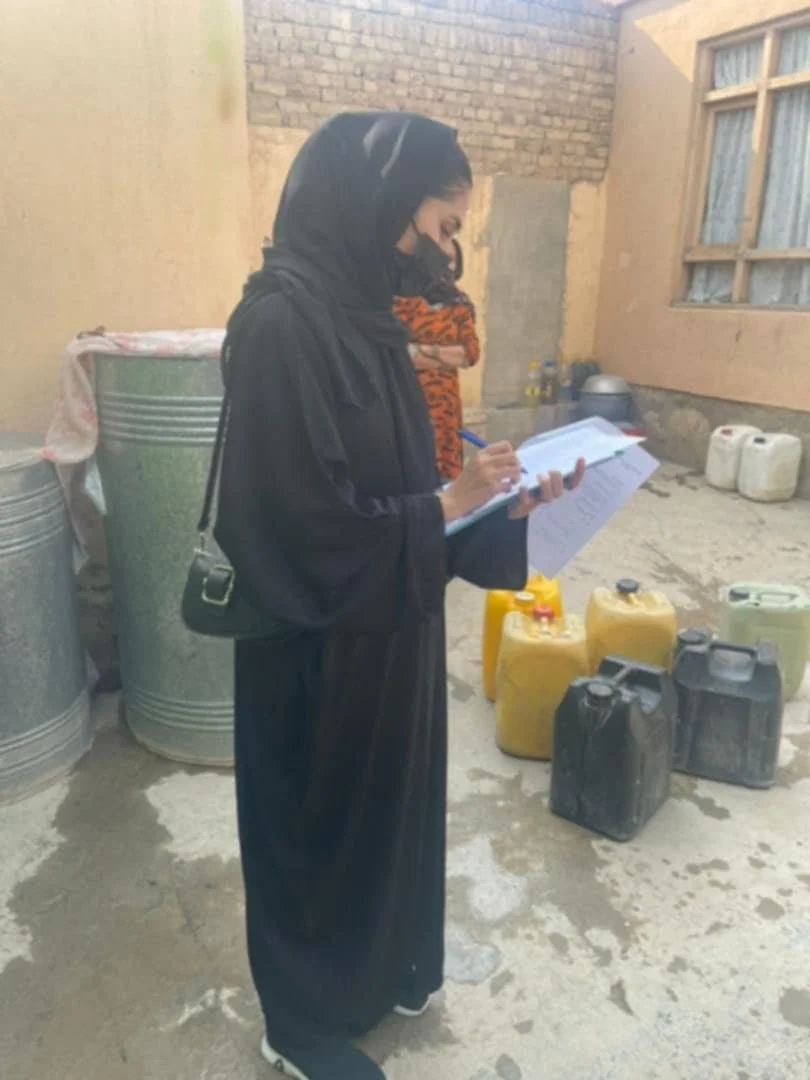
The project was designed to reach women facing some of the most severe barriers to economic security, including widows, women-headed households, women with disabilities, and returnee women. To ensure transparency and community trust, AFZENDA carried out a community-based assessment of more than 200 households, selecting participants through a structured and locally validated process.
Results That Matter
This initiative delivered measurable results for women and their families:
50 women enrolled in and completed vocational training in tailoring and handicrafts.
50 women strengthened their technical and practical livelihood skills.
30 women reported increased income by the end of the project period.
50 complete livelihood kits were distributed to support home-based and small-scale enterprise development.
These outcomes reflect more than participation. They represent a pathway toward economic resilience and greater self-reliance for women living in highly constrained conditions.
From Training to Transformation
AFZENDA’s model goes beyond classroom instruction. By combining practical vocational learning with business development and market linkage support, the programme helped women move from learning to earning.
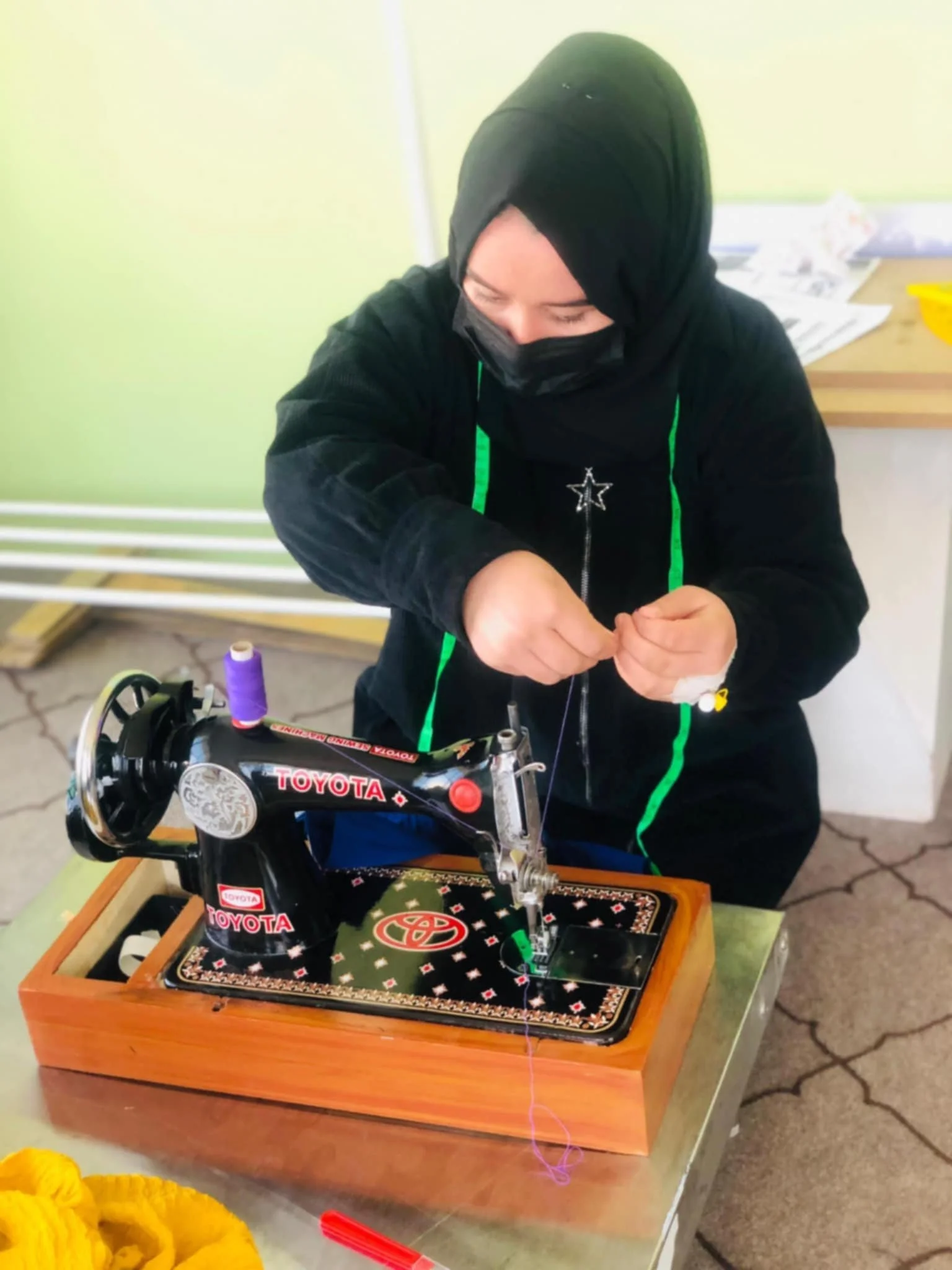
Participants received structured, hands-on training in tailoring and handicraft production, along with business and marketing guidance. At project completion, they were provided with essential equipment and materials—including industrial sewing machines and production kits—so they could begin or expand their own income-generating activities.
Confidence, Dignity, and Hope
The impact of this work extended beyond economic gains. Beneficiaries reported stronger confidence, increased social engagement, and greater motivation to pursue independent livelihoods. Regular participation, peer learning, and practical achievement helped restore a sense of hope and possibility for women who had long faced exclusion and hardship.
Stories Behind the Numbers
Behind every result is a woman rebuilding her future.
One participant, after facing prolonged unemployment and severe financial hardship, completed AFZENDA’s training and went on to establish a small production space of her own. She described the programme as the turning point that restored her confidence, strengthened her wellbeing, and enabled her to support her family while teaching other women.
Another beneficiary used the skills and equipment she received through the project to open her own tailoring shop in Kabul. For her, the programme created a direct path from dependency to self-reliance and from uncertainty to stability.
Building Sustainable Impact
AFZENDA is committed to ensuring that change continues beyond the life of a project. To strengthen sustainability, the initiative provided women with complete livelihood kits, facilitated market connections with local buyers and vendors, encouraged peer support and informal cooperation, and planned post-project follow-up to track longer-term outcomes.
This approach helps ensure that the benefits of training continue to generate value for women, families, and communities over time.
Strengthening AFZENDA to Serve More Communities
The project also reinforced AFZENDA’s institutional capacity. Through implementation, the organization strengthened its expertise in livelihood programming, improved coordination with government and municipal authorities, and enhanced monitoring and evaluation practices through consistent field supervision and attendance tracking.
These gains position AFZENDA to deliver even stronger, more accountable, and more scalable programmes in the future.
Looking Ahead
AFZENDA envisions a future in which more women across Afghanistan have access to the skills, resources, and opportunities they need to live with dignity and independence.
Building on this experience, AFZENDA aims to expand women’s economic empowerment programming in Kabul and other provinces by strengthening women-led enterprises, increasing access to practical vocational education, and delivering community-based interventions that are inclusive, sustainable, and responsive to local realities.